
Why Your Box Truck Insurance Policy Can Make or Break Your Business
A box truck insurance policy is a specialized commercial auto insurance contract that protects your truck, your cargo, and your liability while operating for business — and it is legally required the moment you use that vehicle for commercial purposes.
Here’s what a standard box truck insurance policy typically includes:
- Primary liability — covers bodily injury and property damage you cause to others
- Physical damage — pays for repairs or replacement of your own truck (collision + comprehensive)
- Motor truck cargo — protects the freight you’re hauling
- Medical payments — covers medical costs for you and your passengers after an accident
- Uninsured/underinsured motorist — protects you when the other driver has no coverage
Quick cost reference:
| Business Profile | Estimated Annual Cost |
|---|---|
| Clean record, established business | $3,000 – $5,000 |
| Small operator, average risk | $8,000 – $15,000 |
| High-risk history or accidents | Up to $40,000 |
Running a box truck without proper commercial coverage isn’t just risky — it’s a business-ending mistake waiting to happen. Personal auto policies do not cover commercial use, no matter how small the delivery.
Whether you’re a solo owner-operator or managing a small fleet across multiple states, the right policy needs to match how you actually work — your cargo type, your routes, your drivers, and your contracts.
This guide walks you through every layer of coverage, what drives your premiums, and how to get the best rate without sacrificing protection.

Understanding Your Box Truck Insurance Policy Options
When we talk about a box truck insurance policy, we are looking at a customized shield designed for vehicles typically weighing between 10,000 and 26,000 pounds. These “straight trucks” are the workhorses of the American economy, but because they carry so much weight—up to 33,000 pounds in some configurations—the damage they can cause in an accident is significant. This is why a standard personal policy simply won’t cut it.
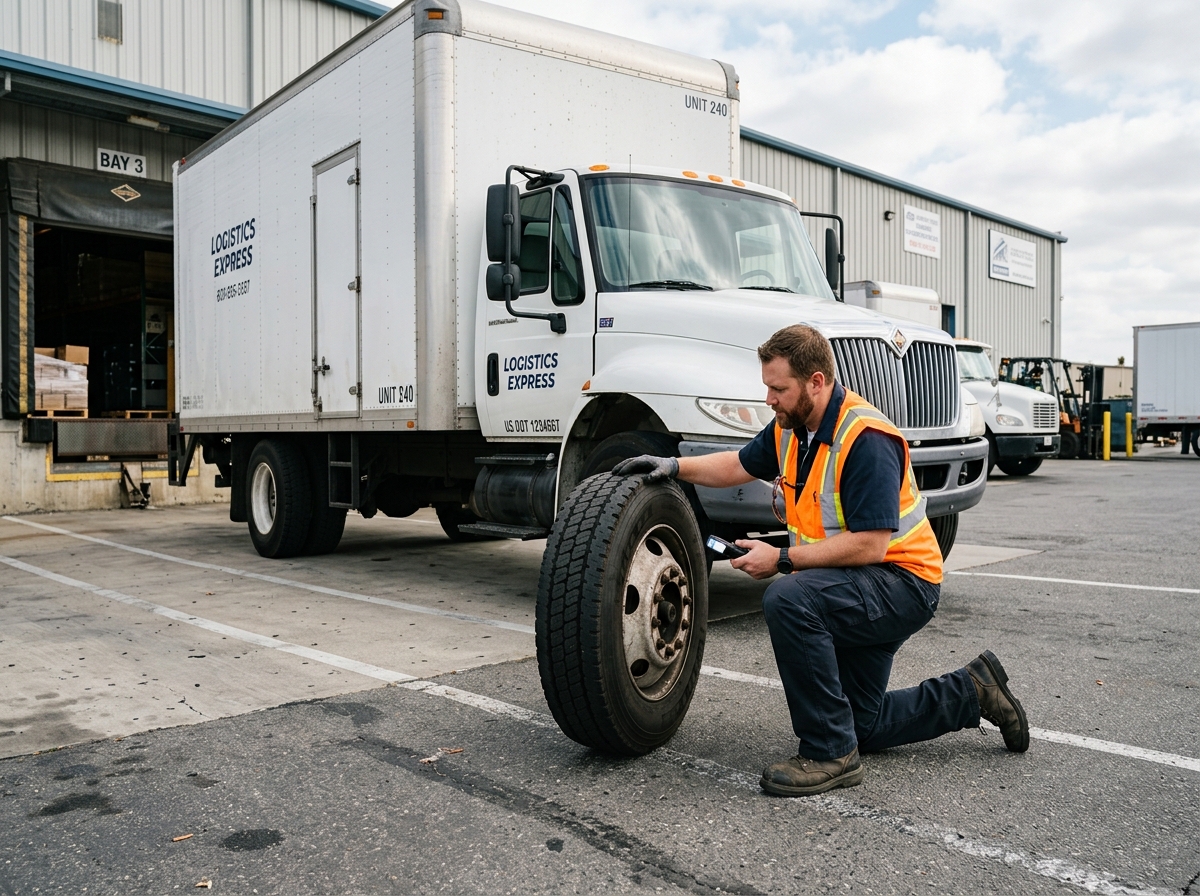
Primary Liability: The Foundation
This is the non-negotiable part of your policy. If you are at fault in an accident, Primary Liability covers:
- Bodily Injury: Medical bills, lost wages, and legal fees for the other party.
- Property Damage: Repairs to other vehicles, buildings, or infrastructure (like guardrails).
According to the Insurance Information Institute, liability is the most common form of state-required insurance. For box trucks, the stakes are higher; while a car might need $25,000 in coverage, a box truck often requires $750,000 to $1,000,000 to meet federal and broker standards.
Physical Damage Protection
While liability protects others, Physical Damage protects your investment. This is usually broken down into two parts:
- Collision Coverage: Pays for repairs if your truck hits another vehicle or object.
- Comprehensive Protection: Covers “acts of God” or non-collision events like fire, theft, vandalism, or weather damage.
Medical Payments and Uninsured Motorist
We often suggest Medical Payments (MedPay) or Personal Injury Protection (PIP) to cover the driver’s medical costs regardless of who is at fault. Additionally, Uninsured/Underinsured Motorist (UM/UIM) coverage is vital. If someone hits your truck and doesn’t have enough insurance to cover your damages, your own box truck insurance policy steps in to bridge the gap.
Whether you operate straight trucks, tilt cabs, or cargo cutaways, these core coverages ensure that a single bad day on the road doesn’t result in a permanent “Closed” sign on your business door.
Essential Coverages for Every Box Truck Operator
Beyond the basics, there are several “must-have” coverages that protect the specific way you make money. If you are hauling for others or operating across state lines, these aren’t just recommendations—they are often contractual requirements.
Motor Truck Cargo Insurance
Your truck is just a shell; the value is often in what’s inside. Cargo insurance protects the goods you’re hauling from perils like theft, fire, or collision damage. For those looking to grow, we provide more info about commercial services that help you scale your cargo limits as your contracts get bigger.
Non-Trucking Liability and Bobtail Insurance
If you are an owner-operator leased to a motor carrier, their insurance usually covers you while you are “under dispatch” (working). But what happens when you drive the truck to the grocery store or a repair shop?
- Bobtail Insurance: Covers the truck when it’s being driven without a trailer (less common for box trucks since the “box” is attached).
- Non-Trucking Liability: Covers you for personal use of the truck when you aren’t on the clock.
General Liability and Workers’ Comp
Don’t confuse truck insurance with business insurance. General Liability covers risks off the road, such as a customer slipping at your warehouse or a driver accidentally damaging a client’s front door while carrying a sofa inside. If you have employees, most states (including Illinois, Florida, and Texas) require Workers’ Compensation to cover on-the-job injuries.
To stay legal, you must also monitor the FMCSA insurance filing requirements, which mandate specific filings like the BMC-91 for interstate carriers.
Specialized Add-ons for a Box Truck Insurance Policy
- Reefer Breakdown: If you run a refrigerated truck (ice box), this covers cargo loss due to mechanical failure of the cooling unit.
- Rental Reimbursement: If your truck is in the shop, this pays for a rental so you don’t lose daily revenue.
- Occupational Accident: An alternative to workers’ comp for independent contractors.
- Amazon Relay Standards: If you want to drive for Amazon, you’ll need at least $1 million in auto liability and $100,000 in cargo coverage. Check the Amazon Relay insurance standards for the full list.
- On-Hook Coverage: Essential if your “box truck” is actually configured for towing.
- Debris Removal: Covers the cost of cleaning up spilled cargo after an accident.
Factors That Drive Your Insurance Premiums
Why does one driver pay $400 a month while another pays $1,200? It comes down to risk math. Insurance companies look at several variables to decide how likely you are to file a claim.
The “Big Five” Pricing Factors
- Gross Vehicle Weight (GVW): A 26-foot box truck carries more liability than a 16-foot one. Larger trucks cause more damage, leading to higher premiums.
- Cargo Type: Hauling hazardous materials or high-end electronics is more expensive than hauling mulch or furniture.
- Operating Radius: Local “short-haul” drivers (within 100-300 miles) typically pay less than long-haul drivers who cross multiple state lines and spend more time on the road.
- Driving Records: This is the biggest factor you can control. A single speeding ticket or at-fault accident can spike your rates for three years.
- Business Age: New ventures are viewed as higher risk. Once you’ve been in business for 2+ years without a claim, your rates often drop.
How to Lower the Cost of Your Box Truck Insurance Policy
We love helping our clients save money. Here are the most effective ways to trim the fat from your premium:
- Safety Programs: Implement a formal safety policy and training for your drivers.
- Higher Deductibles: If you can afford to pay $2,500 out of pocket instead of $500 in the event of a claim, your monthly premium will drop significantly.
- Bundling: Combine your truck insurance with General Liability or Workers’ Comp.
- Loss Run Reports: Keep a clean record and provide these reports to show insurers you are a low-risk “safe bet.”
- Technology: Dash cams and GPS tracking (telematics) can sometimes earn you a discount and, more importantly, prove you weren’t at fault in a “he-said-she-said” accident.
Regulatory Requirements and Compliance Standards
Compliance isn’t just about avoiding fines; it’s about keeping your authority active. If your insurance lapses, the DOT will be notified immediately, and your wheels will stop turning.
FMCSA Mandates
The Federal Motor Carrier Safety Administration (FMCSA) sets the bar for anyone operating interstate.
- The $750,000 Rule: For vehicles over 10,001 lbs hauling non-hazardous freight, you must carry at least $750,000 in primary liability.
- The $300,000 Rule: If you are under 10,001 lbs and hauling non-hazardous freight, the requirement drops to $300,000.
- Hazardous Materials: If you haul certain hazmat, the requirement jumps to $5,000,000.
State vs. Federal Filings
If you stay within your state (Intrastate), you follow state-specific rules. For example, in Illinois or Georgia, you may need specific state filings. If you cross state lines (Interstate), you need federal filings like the BMC-91 or BMC-91X. You can find the full breakdown of Federal Motor Carrier Safety Administration requirements on their official site.
CDL Exemptions
A common point of confusion is the Commercial Driver’s License (CDL). Generally, if your box truck has a GVWR of 26,000 pounds or less, you do not need a CDL. However, if you are hauling hazardous materials or the truck is rated for 26,001+ pounds, a CDL is mandatory. Even if a CDL isn’t required, having one can sometimes help you secure a better rate on your box truck insurance policy.
Frequently Asked Questions about Box Truck Insurance
Does my personal auto policy cover business use?
Absolutely not. This is the most common mistake new owner-operators make. Personal policies have specific “commercial use exclusions.” If you are involved in an accident while making a delivery—even if it’s your first one—your personal insurer will likely deny the claim and may even cancel your policy for misrepresentation. You need a dedicated commercial policy to protect your livelihood.
Do I need a CDL to insure a 26-foot box truck?
Not necessarily. Most 26-foot box trucks are manufactured with a GVWR of exactly 26,000 pounds to stay just under the CDL limit. As long as the truck is 26,000 lbs or less and you aren’t hauling hazmat, you can insure and drive it with a standard driver’s license. However, some insurance carriers have their own internal rules and may prefer drivers with more experience.
How quickly can I get a Certificate of Insurance (COI)?
In the trucking world, time is money. Most brokers won’t let you pick up a load without a COI that lists them as a “certificate holder.” When you work with us, we can often get you a quote and a digital COI within 24 to 48 hours, provided you have your VIN and driver info ready. Some of our specialized partners can even turn them around in minutes once the policy is active.
Conclusion
Insuring your box truck doesn’t have to be a headache or a financial drain. By understanding the specific risks of short-haul trucking and choosing only the coverages you actually need, you can build a policy that fits your budget.
At Pro Guard Insurance Agency, we specialize in this exact niche. As an independent brokerage, we don’t work for one insurance company—we work for you. We partner with over 100 carriers to shop the market and find the most competitive rates for box truck operators. Whether you are in Illinois, Arizona, Florida, or any of the 31 states where we are licensed, our goal is to provide the personalized service you deserve.
Don’t leave your business to chance. Request a customized quote for your business today and let us help you protect your journey.