
Truck Insurance
Owner Operator Truck Insurance in Inverness, Illinois — Built for Drivers Running Their Own Authority

In Inverness, IL, independent truck drivers run regional hauls, lease to carriers, and manage their own authority — often without a fleet behind them. This page covers owner operator truck insurance: liability, physical damage, non-trucking liability, and occupational accident coverage for independent drivers. We work with multiple carriers so you can compare real options before you commit. Contact our Inverness agency when you're ready to start a quote.
What Owner Operator Truck Insurance Covers in Illinois
Owner operator truck insurance in Inverness, Illinois is built for independent drivers who carry their own risk — not company drivers covered under a fleet policy. Each coverage type serves a specific purpose, and knowing what’s included helps you avoid gaps before you take a load.
Core coverages typically included in an owner-operator policy:
- Primary liability — covers third-party injury and property damage under your authority
- Physical damage — covers repair or replacement of your truck after an accident
- Non-trucking liability — covers your truck during personal use, outside active dispatch
Illinois owner-operators running interstate freight out of Cook County face FMCSA minimum liability requirements. Those minimums differ from what intrastate-only drivers must carry.
How to Know Which Coverage Your Operating Setup Actually Requires
Your coverage needs depend on how you operate — leased to a carrier, running your own authority, or moving between the two. Using the wrong policy structure for your setup creates gaps that only show up after a claim.
Many drivers along the Palatine Road corridor near Inverness operate under mixed models. They run under a carrier’s authority during the week and handle personal or local hauls on weekends. That setup requires specific policy structures to stay covered in both situations.
Ask yourself:
- Are you leased to a carrier, or do you have your own MC number?
- Do you use your truck for personal driving between dispatches?
- Are you planning to add a second truck or change cargo types soon?
Your answers determine which coverages belong on your policy — and which ones you’re currently missing.
Illinois Authority and FMCSA Filing Requirements for Owner-Operators
Before you dispatch a single load under your own authority, Illinois and FMCSA require specific filings to be in place. Missing one delays your MC number activation and can stop your operation before it starts.
Interstate carriers based in Cook County must meet FMCSA liability minimums and file an MCS-90 endorsement. You’ll also need a BOC-3 process agent filing. Intrastate-only drivers follow Illinois state minimums, which vary by vehicle weight and cargo type. An Inverness agency that handles these filings regularly shortens your setup timeline.
We manage the paperwork as part of the policy process. You won’t be tracking down forms from three different agencies.
How Non-Trucking Liability Protects You Between Dispatches
Non-trucking liability covers your truck when you're driving it for personal use — not under an active dispatch from a carrier. Without it, you have no coverage during those miles.
Owner-operators in the Buffalo Grove and Barrington area who lease to a carrier commonly use their trucks for personal errands and local driving between hauls. The carrier’s policy does not follow the truck into personal use. That gap is real, and claims during personal-use driving come out of pocket without non-trucking liability in place.
If you’re leased to a carrier and drive your truck off dispatch at any point, this coverage belongs on your policy.
How to Get an Owner Operator Truck Insurance Quote in Inverness
When you're ready to get covered, arriving prepared moves the process faster. We pull quotes from multiple carriers and show you options side by side — not a single rate with no context.
A local agency in Inverness familiar with Illinois routes and FMCSA filing requirements moves faster than a national call center. We already know what Cook County operators need and can issue a certificate of insurance within 24 to 48 hours once coverage is bound.
Have these ready when you contact us:
- Vehicle year, make, model, and VIN
- CDL and driving history for all operators
- Cargo type and typical haul radius
- Current or prior policy declarations page if available
- Your MC number or DOT number if already issued
How to Keep Your Coverage Current as Your Operation Changes
A policy that fit your operation last year may have gaps today. Owner-operators who add a truck, change cargo types, or move from lease-on to their own authority need a policy update — not just an auto-renewal.
Drivers in the Dundee Road corridor who grow from one truck to two, or shift from dry van to refrigerated or hazmat loads, are running under materially different risk profiles. Auto-renewals don’t account for those changes. Annual reviews do.
We review active policies for coverage gaps before renewal. If something in your operation has changed, we catch it before a claim does.
FAQs
Do I need my own insurance if I'm leasing to a carrier out of Inverness?
Yes — the carrier’s policy covers their liability, not yours. As an owner-operator, you need your own liability and physical damage coverage regardless of whose authority you run under.
What is occupational accident coverage and does an Illinois owner-operator need it?
Occupational accident coverage pays for medical costs and lost income if you’re injured on the job. Owner-operators who don’t carry workers’ compensation should have it — Illinois does not require workers’ comp for self-employed drivers, but an injury without coverage means paying out of pocket.
Does non-trucking liability cover me while I'm driving home after a delivery in Illinois?
Yes — non-trucking liability applies when the truck is in personal use and not under an active carrier dispatch. Driving home after a delivery typically qualifies, but the policy language matters. We review that with you before binding.
Can I get owner operator truck insurance with a recent accident or violation on my record?
Yes — non-standard markets exist for higher-risk drivers. Working with a multi-carrier agency gives you more placement options than going to a single carrier directly.
How fast can I get a certificate of insurance as a new owner-operator in Inverness?
Certificates of insurance are typically issued within 24 to 48 hours once coverage is bound. The timeline depends on the carrier and the policy type involved.
Alabama
Arizona
Arkansas
Colorado
Florida
Georgia
Iowa
Idaho
Illinois
Indiana
Kentucky
Massachusetts
Michigan
Mississippi
Minnesota
Missouri
Nebraska
Nevada
North Carolina
North Dakota
New Jersey
New Mexico
Ohio
Pennsylvania
Washington
Wisconsin
South Carolina
South Dakota
Tennessee
Texas
Utah
Alabama
Arizona
Arkansas
Colorado
Florida
Georgia
Iowa
Idaho
Illinois
Indiana
Kentucky
Massachusetts
Michigan
Mississippi
Minnesota
Missouri
Nebraska
Nevada
North Carolina
North Dakota
New Jersey
New Mexico
Ohio
Pennsylvania
South Carolina
South Dakota
Tennessee
Texas
Utah
Washington
Wisconsin
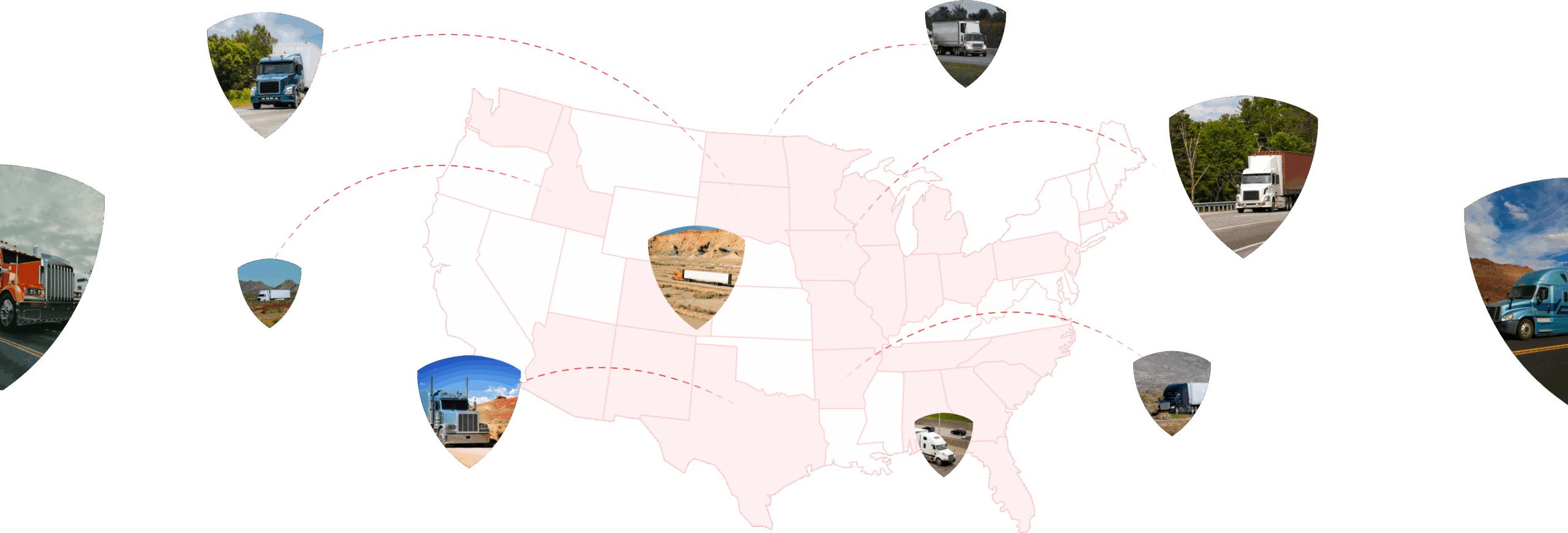
- This means that regardless of where their clients are located, Pro Guard Insurance Agency Inc can provide them with the coverage they need.